How to Deal With Lead Paint in Your Historic Home Remodel
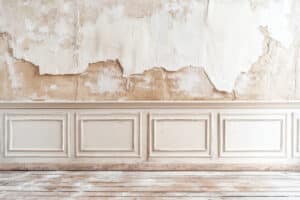
If you own a historic home, chances are you’re dealing with more than just charm and character; you may also be dealing with lead paint. At Irvine Construction, we work on older homes throughout the region, and this is one of the most common (and important) issues we help homeowners navigate during a remodel.
The good news? With the right approach, lead paint doesn’t have to derail your project.
Understanding the Risk
Lead-based paint was commonly used in homes built before 1978. Over time, as paint deteriorates or is disturbed during renovations, it can create hazardous dust and chips. This is especially concerning for children and pets, but it’s something every homeowner should take seriously.
During a remodel – whether you’re opening up walls, replacing windows, or refinishing trim – lead paint can easily be disturbed if proper precautions aren’t in place.
Start With Testing
Before any work begins, it’s critical to determine whether lead paint is present. This can be done with EPA-approved test kits or, more reliably, by hiring a certified professional to conduct testing.
At Irvine Construction, we often recommend professional testing for historic homes. It provides a clear picture of where lead is present so we can plan the safest and most efficient path forward.
Safe Renovation Practices Matter
If lead paint is found, the next step isn’t panic. It’s preparation!
Certified contractors follow strict guidelines under the EPA’s Renovation, Repair and Painting (RRP) Rule. This includes:
- Containing the work area with plastic sheeting
- Minimizing dust with specialized tools and techniques
- Using HEPA vacuums for cleanup
- Properly disposing of contaminated materials
These steps are designed to keep your home safe during the renovation process while still allowing the project to move forward.
Repair, Encapsulate, or Remove?
There’s no one-size-fits-all solution for dealing with lead paint. Depending on the condition and location, we may recommend:
- Encapsulation: Sealing the paint with a specialized coating
- Enclosure: Covering the surface (such as with drywall)
- Removal: Safely stripping or replacing affected materials
In many cases, full removal isn’t necessary and may not even be recommended. The goal is to manage the risk effectively while preserving the integrity of your historic home.
Work With the Right Team
Lead paint is not a DIY situation. Hiring a contractor who is certified and experienced in working with historic homes is essential.
At Irvine Construction, we understand the balance between preservation and modernization. We take every precaution to protect your home, your family, and the craftsmanship that makes older homes so special.
Moving Forward With Confidence
Remodeling a historic home comes with unique challenges, but it also offers incredible rewards. With proper testing, planning, and professional guidance, dealing with lead paint becomes a manageable part of the process rather than a roadblock.
If you’re planning a renovation and have concerns about lead paint, we’re here to help you move forward safely and confidently. We understand historic properties – this is what we do best!. Contact us to get started!